Recently, I watched the Fear Street movies on Netflix. They were everything I could have wanted from a movie based on those novels: lots of gore, teenage dumb, and bad things happening to Shadysiders. Given, Shadyside really only had a Fear Street problem in the books (as far as I remember), but I’m okay with a liberal interpretation as long as a cheerleader goes into bread slicer.
That inspired me to go back through all of the Fear Street novels. I basically lived in the library as a kid, checking out 30-40 books at a time because there was no internet; the only hobby I was “allowed” to have involved low parental involvement and commitment. I tore through the available Fear Street novels and whatever else I could get my nerdy hands on.. While I blame Stephen King and Peter Straub novels and movies for my love of horror— and let’s be frank, cheesy plotlines and practical effects— R.L. Stine was giving us terrible plot twists when M. Night Shyamalan was still figuring out how to hold a pen.
I’m writing a summary for every Fear Street book, reading all of teenage fiction so you don’t have to. Reviews will be erratic; while I have library cards for every metropolitan area and the state library, not all books are available either because they are on hold or the library just doesn’t have a copy of them (in which case, thank god for Kindle). These reviews include a lot of sarcasm. It might seem that I hate R.L. Stine, but I love his work with every fiber of my being. It is some of the best trashy horror, low-key entertainment that exists. Don’t come for me.
If you want to read the spoilers early and ask questions, you can join my Patreon at https://www.patreon.com/wuthering. You can also ask me to expound on certain plot points; I don’t promise those will be good since the main plot point of every Fear Street book is kids be dumb, yo. However, maybe I missed some complexity while a murderer throws every red flag out there, and the protagonists blithely walk into knives, chainsaws, and monsters.
Join me for bad decision island, teenage serial killers, and a thorough examination of what a shitshow it is to live on Fear Street!
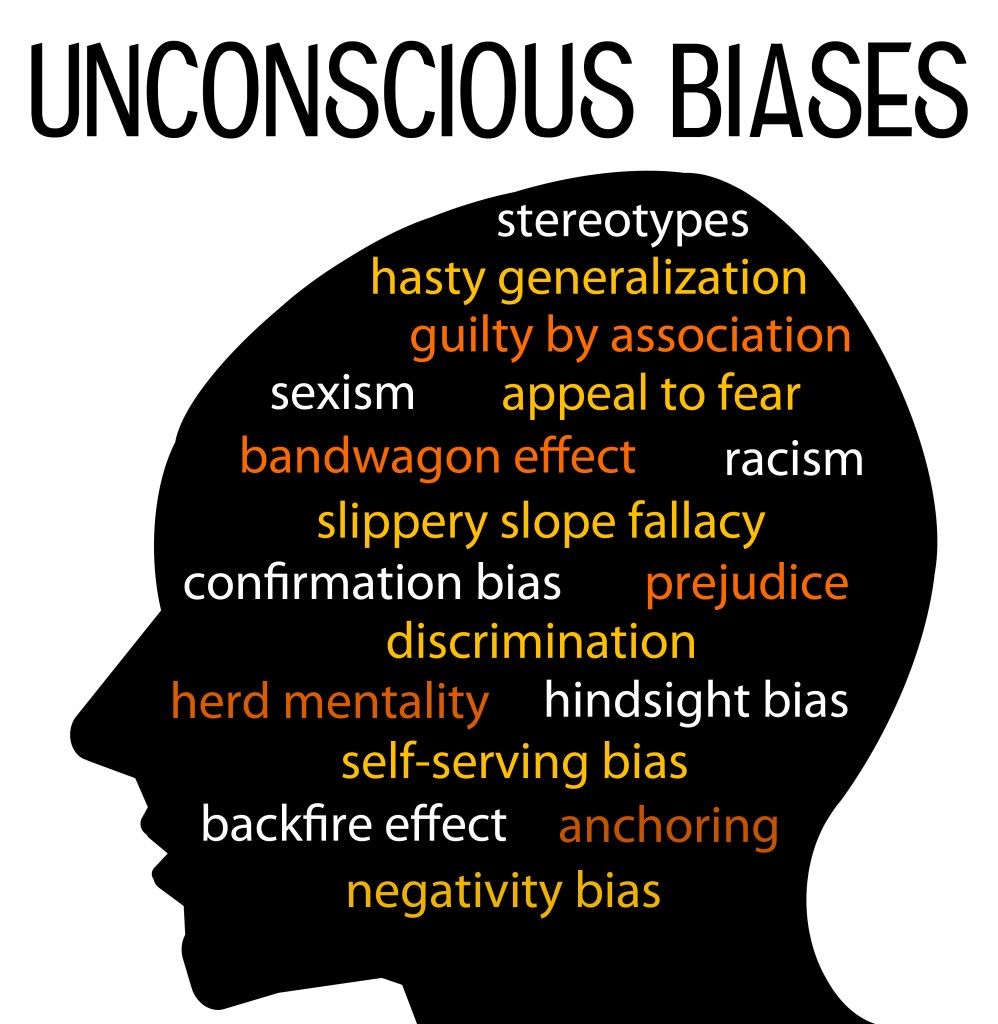
This post brewed for a good six months while we tried to get into the nitty-gritty of bias and what it is. We found we already talked about it in all of our previous articles, such as when we broke apart dehumanization in gaming. Dehumanization is the primary factor in our natural bias and the actions we take. If you’re new to Kill the Healer, you can check previous articles about it and how we strip away identifying factors of a person or group, seeing them instead as “Other”. It plays a part in Bias or Prejudice, which are feelings/thoughts in favor or against something or someone, sometimes sweeping across those included in their “group”.
As humans, we are all biased. We are a product of our environment, formed by the things that happen around us, the mores and values of our close groups (including friends, family, and peers), and our histories. We can’t escape those things nor deny their existence. A lot of bias is unintentional, meaning we don’t realize that prejudice influences our thoughts or actions. It’s locking the car door when you see someone approach you in a crappy neighborhood. It’s microaggressions like asking a person of color about their schooling or assuming a trans person always has dysphoria. Unintentional bias consists of small (and sometimes large) things we don’t realize we are doing, based on the assumptions we have about the world.
We build these biases through our experiences, relationships, and histories and they are the foundation from which we act. And, while we cannot escape the framework of our minds, we can take efforts to acknowledge where the faulty foundation stones are and maybe try to straighten them out a little and constantly improve them. Bias is basically the Winchester House– we’re going to keep building weird shit, pulling other things apart, and finding a way to confuse a past that haunts us so it can’t find us again.
Before we get into this, many people will deny their bias. It’s hard to admit, when you feel like the ruler of liberal thoughts and actions, that you might also be a little bit biased in some way. Many people will say ‘I don’t see color” or “everyone is the same ” and not only do those statements deny the fact that these constructs exist, they negate the experiences of the people who have to live within those very different skins. It also prevents you from dissecting your opinions and thoughts to understand that we all have opinions and feelings, even the dark ones at the back of your head, and they influence what you do.
Now, we’ve talked bias against others to death without specifically pointing out one of the most prevalent biases: the one towards ourselves. Even if we doubt ourselves, possess shitty self-esteem, or have issues of personal inadequacy, we favor our thought processes above others. After all, it’s why we don’t believe others when they tell us good things about ourselves– we’ve already made up our mind otherwise. We have a personal investment in what we are thinking, how it makes us feel, and how it plays out in our actions. Even if these investments reinforce sorrowful or painful things about ourselves, we have a stake in that hurt.
For example, if I believe my opinions about politics are inherently right, they become my facts and I, like most people, am going to argue my opinion to the point of death because I believe in its value– which supports my fundamental self and self-esteem. Rightness makes us feel good and releases all sorts of fun chemicals that make our brain happy. However, while the chemicals make us feel good, we draw some improper conclusions: for us to be right, someone has to be wrong. Being wrong makes that person less than us and someone we can easily dehumanize. Their values are faulty and wrong equals bad. It means we’ve drawn black and white conclusions in order to fuel our othering and made an enemy rather than someone who disagrees with us.
We inherently justify ourselves. When confronted with a different opinion and facts supporting that opinion, we come into conflict with our personal biases. Maybe I bunker down, holding the line and disputing whatever “facts” someone gives me. Maybe I’m wrong. Maybe I’m bad. But that can’t be, right? That bias, not to be the wrong, bad person is a source of conflict. It causes us to lash out at the person who created the feeling, in ways that reinforce the feelings we naturally have regarding the situation.
Below are two example situations in which this can happen: in reinforcing our belief in our own due diligence and our victimhood.
Due Diligence: Due diligence is a situation in which a person has reasonably completed a task. For example, there is an obvious lack of diversity in gaming. One of the ways to address that is making a space– not talking about making a space, not simply offering the space, and not occupying that space. However, many people cannot make the space at all, much less understand how to let the intended parties in.
In gaming, we often put out all-calls, posting in social media that we need certain people. This is certainly a step in the right direction, as it recognizes that gaming is not as diverse as it should be. It’s just a step though and it’s not far enough.
Let’s examine it through real life. You are organizing a party where you want people to meet new faces. You open it up to your neighborhood, to the people in your immediate area and maybe post signs or the neighborhood forum. You get people who are obviously enthusiastic to attend. You’ll have people who don’t pay attention or decline your offer. However, you’ve only extended your invitation to your known area which is homogenous and consists of people you already know. The same old faces are going to respond to your invitation.
When we just all-call to our known group, we are doing the bare minimum. We are going to see the same people over and over by including the already homogenous groups we are in. Despite that, we feel like we have made a sufficient effort. We have done our due diligence. We are not in the wrong since we wanted and encouraged diversity. We have a natural bias that we’ve done what we needed to.
However, if I want to ensure I have a diverse table, I don’t rely on my known resources. I invite others specifically or ask them for recommendations of people who might be interested. I advocate and keep making those spaces, and I don’t let them be filled by other people– people for which those spaces aren’t meant for. And, if someone calls us to the floor, we acknowledge that the people who’ve been oppressed damn near death beneath the rocks are the ones who might be able to point out when we are slacking on getting them out of there.
Victimhood: A victim is someone who something has happened to. We can victimize others in a variety of ways in gaming, from excluding them from a game table to targeting them for mental and physical violence. There is no end to the ways we can hurt one another.
Note: This example does not apply to abohorrent and illegal situations of abuse. People in those situations should seek appropriate help from legal and mental health professionals. In addition, this does not advocate remaining silent or not taking any action in other situations, but to evaluate your emotions and the facts to make healthier choices for yourself.
We have a character that we love. We’ve spent hundreds of hours putting it together and working on it. It is an act of creativity we brought into this world. It is important and valuable to us. At some point, however, our character offended someone, whether through something they said or something they did.
After this happens, we find that we are in a sticky situation. Other characters verbally attack us. Weird political stuff happens in-character. People are talking and plotting out-of-character about us. Our character gets attacked multiple times. It makes us feel bad because the character is a part of us.
Then the worst thing happens: the character is killed. It’s like a part of us went with it– an investment of time, emotions, and energy. We are angry, and we are biased not to direct that anger at ourselves, but at the people we believe wronged us, turning us into a victim. The bias of being the victim justifies much of what we do to seek reparations for our anger and pain.
Others wronged us. In clear black and white (to us, at least), we ended up in a place through no fault of our own. We’re right, and therefore we have the right to belittle, hurt and seek revenge against the person/people who are wrong and bad. We have the right to strike out as we are the victim. After all, they initiated this attack and therefore we can hit back. Every action, though, is a result of another action. Nothing occurs in a vacuum. We default, in cases where we feel hurt, to the stance of the victim. It’s our internal bias defaulting to ourselves.
Think of every social media war ever and examine who thinks they were wronged and how it flows down to every other person involved. If, instead of posting videos, media, or words about this situation, the person realized they are the ones perpetuating the cycle of their own victimhood, they would be able to take a more effective approach to addressing their emotions, such as reaching out to someone in charge or the other person. That they are not right. That they may be in the wrong, at least in some part, but that it doesn’t make them bad but responsible for consequences and handling them/the conflict maturely.
Every emotion has a basis in a situation and every situation has facts. When checking the facts, don’t use words like I feel or I believe and only state what is factually true. Let’s put this in the perspective of our examples:
Every emotion has a basis in a situation and every situation has facts. When checking the facts, don’t use words like I feel or I believe and only state what is factually true. Let’s put this in the perspective of our examples:
We want a cool game and recognize that we’re complete shit as being diverse as gamers. We make a generalized post asking for new faces and a diverse cast for our next game. We don’t get any answers, so we fill the slots and run the game anyway.
A person of color, someone who the space was meant for, calls us on it. We get angry because we feel like we did everything possible to include others (although, as we discussed, making a space is a hugely different thing). We’re hurt and want to feel like we are the right ones. We think of letting people attack the person on our behalf as we focus on our pain at being called out for bias. If we checked the facts, we would find out the following.
We wanted to run a diverse game.
We put an all-call out.
We did not specifically contact women or people of color.
We ran the game, calling it diverse.
Someone with personal experience advised us this was not a diverse game.
We keep breaking down the information until all we have is factual context. We do this even with our emotions, determining why we are angry and if our action is justified based on the anger. After we checked our facts, we realize that we’re hurt because our personal integrity was called into question, and we feel as though we are a bad person for being in the wrong.
We can’t be sure the person had any ill intent. They mostly likely just want us to meet our goals and want to explain how we can be better at representing diversity. Most of all, the person was right. We could have done more. That doesn’t necessarily make us wrong, and thus bad, though our self-bias tells us that. We made a mistake and we’re responsible for it, but we have no justification to perpetuate more anger and grief. No one victimized us. We just didn’t do our due diligence in something we thought we took all the steps in.
2. Someone kills our character. We’re angry, because we not only lost a huge investment of resources on our part, but we feel targeted out-of-character as a result of the string of attacks on our character. We feel like going on FB and vague-booking about it or calling out the people we feel hurt us. We think, because something bad happened to us, we are permitted to perpetuate that badness on those who we hold responsible.
Let’s check the facts.
I am a person. My character is a construct.
My character did something that offended someone else several months ago
Other characters participated in vocal/physical/etc attacks, which culminated in my character’s death.
I have not spoken with the attacker in a negative fashion out-of-character.
We are not our characters, but we do invest a portion of ourselves into the character, so it hurts when it gets attacked. Maybe we didn’t believe the offense was that big, either in character or out-of-character, but the other character did. We don’t know if the other person considered the reasons as frivolous as we did. We don’t know if that other person hated us out-of-character and targeted us in the only fashion they have available. We assume that we are the ones wronged because of personal bias, because it feels like this construct we created is a part of us, so the attack was on us. We are hurt, but our facts don’t point us at the other person, even if we want them to hurt as much as we do. We have no justified reason for our attack based on our facts.
And yes it’s a lot of work that’s on our shoulders to always break down information and handle our emotions appropriately, but think of this way: for a long time none of it was on our shoulders. We ignored the big pile of things we needed to do to dismantle. So now we have more work to do in a shorter period of time. We don’t get to pick away at it slowly anymore– that time has passed– we’ve got to throw our back into and just get it done. We don’t get to be the offended ones, the ones that are hurt, when someone points out we aren’t carrying our load or otherwise makes us examine ourselves.
We are responsible for recognizing our biases and handling them in an appropriate way. We are responsible for checking our facts against what our mind tells us, then being the people who address our feelings and actions, including making our own reparations to correct any damage we’ve done. We are responsible for checking that voice that fuels our emotions and tries to tell us we’re justified and determine if we really are. The very first thing we should tell ourselves is that we are responsible for our emotions, even if they are the result of something someone else did.
Yes. We’re all biased. Yes. We’re all responsible for dissecting and handling it maturely. And yes, maybe you’re wrong. But it’s okay– as long as you’re willing to shine a light on yourself and make yourself better.
“I don’t know why they gave it to her rather than me. She can’t even write.”
“This free content is BS. Why would they even release it?”
“Why did they let that group have that?”
“They just want my money. That’s the only reason they create new things.”
Everyone, at some point in time, either prioritized their desires at the cost of someone else or questioned why they didn’t get something when someone else did. The thought that we are owed something in return for our time, resources, or money, drives us to negative emotions, outbursts, and abusive behavior both in person and on the internet.
Entitlement is defined as the sense that a person is deserving or entitled to special benefits. Psychology Today states a sense of entitlement is the unrealistic, unmerited, or inappropriate expectation of favorable living conditions and favorable treatment at the hands of others. It also states that this sense of being owed is an enduring personality trait, characterized by the belief that one deserves preferences and resources that others do not.
Basically, a sense of entitlement is about narcissism and personal beliefs that you, above any one else, deserve something.
In geek culture, this comes up frequently. We deserve another season of a show. We deserve to know why someone made a business decision. We deserve a discount. We deserve the best free content. We deserve more. For every product released into the wild, there is at least one comment complaining about it and asking the company to personally cater to their desires.
Entitlement is often tied to ” the customer is always right.” Most people see themselves as the customer– the one deserving of something. They pay for something by contributing their time or resources. They spent 2 hours at the table role playing, so they deserve a customized experience. They paid $60 for a game, and it’s missing features they want. They contributed to a Kickstarter or acted as a cheerleader for an artist they loved, but they weren’t personally acknowledged. They spent money to join a club, and it owes them an experience. By seeing ourselves as a customer and someone who is spending, we use the statement to justify why we are entitled to talk trash and act unprofessionally in public settings.
The problem is, the statement of “the customer is always right” is taken out of context. While we used it in early marketing to ensure the customer always got what they wanted, many realized this was an untenable situation. It was first modified to advise that they were right until it was absolutely clear they were wrong. Another later modification stated the customer was right in matters of their own taste– companies couldn’t tell them what to like or purchase. We remember the earliest phrase, without understanding that we learned more about marketing and customer satisfaction in the last 100 years.
For geeks, it remains a motto, even if its hidden deep in our frontal lobe. We use it to downplay others in our games and elevate our desires above all else. We empower ourselves in believing that we are right and we need to take control because it is owed to us.
One example of this is edition wars. Whenever a gaming company decides to update their catalog with a new edition, people go to war over what is better. We believe the company is responsible for not only continuing the product they love but the new one product as well. The fans feel as though they own the work and product, and therefore they are owed work by the people creating it. Furthermore, they complain the company is only out for the money and demonize that authors, editors, and artists deserve to be paid for their work. None of those people are living high in their yacht, yet they get called heinous names for being creators. We abuse the very people who create the things we love because they aren’t doing it to our specifications.
Another example happened in the Mind’s Eye Society, a live action role playing group for World of Darkness products. After a particularly long stint of encouraging everyone to say yes, to the point of ignoring problematic behavior, actions, and outbursts, the group locked down their previous “Year of Yes.” Members were outraged when they realized the standards changed, and while that decision occurred years ago, it disempowered the group’s officials so badly that saying “No” is still a death wish. It not only openly subjects the person to abuse, but often means they are voted out or removed in favor of someone who serves the members’ sense of entitlement.
Studies show that entitlement is tied to a feeling of being disappointed or mistreated. When we’re children, we believe the world owes us after a beat down. We’re supposed to grow out of it, but for some, we remember the feeling of hurt and wanting someone to give us something. As adults, when something doesn’t meet our expectations of what we want from it, we call on those old resources and feelings, using them fuel our sense that someone has wronged us and we deserve more. Those old reserves and coping mechanisms are just that, however. They are things we should have grown out of.
Our skewed sense of reciprocity makes us feel like we are the ones who are still owed. Our sense of entitlement destroys our relationships with others, breaks apart gaming groups, and forces the companies who produce the things we love to spend their time in the mire rather than creating good products based on constructive feedback. It’s a cycle– one where no one really gets what they want.
How do we change it?
Recognition: The first step is recognizing when we transition from disappointment to entitlement. Disappointment in something is a valid feeling, often immediate upon seeing or experiencing something that doesn’t meet our expectations. We are allowed to be disappointed. However, when that disappointment boils down and becomes entitlement, we go from a valid emotion to an unjustified action. The facts of the situation don’t match what we are asking from it.
Examination: Once you identify that moment, you need to examine what it is you want. This takes some time. You’re separating out different emotions of disappointment, sadness, and anger, so it’s not immediate. This generally means stay off the internet and social media until you can sort it out. Sometimes it’s hard to remember that we are truly entitled to nothing. When we pay for something, we pay for an experience, but we’re not paying for our personalized experience. Nothing can be everything.
Breaking Down Reciprocity: The third step is understanding and dissecting how you view reciprocity. In case of entitlement, we view the transaction as one that favors ourselves– we want more in order to reach equilibrium. We believe if we do not receive that, we are free to seek it, no matter our means. However, reciprocity doesn’t work that way. If you go on the attack because your favorite game didn’t get a character out on time or something jumped the shark on your favorite TV show, you show that you are willing to engage only in negative feedback. Studies show that you break the cycle of entitlement by engaging people as you want to be treated. Constructive feedback creates a circle of trust where you still might not get what you want, but you can get off the hamster wheel and actually move forward with either accepting it or letting it go.
Entitlement is a form of narcissism. We think we are the most important thing, and our desires outweigh another’s autonomy or comfort. Our respect is skewed to ourselves. While self respect is a needed trait, it always has to be in balance with the respect we afford others. If respect is too much to ask, it goes back to treating people how you want to be treated. When you break the cycle a sense of entitlement builds upon– deserving, outburst, argument, anger– you have the ability to actually make progress; engage creators, peers, and others in your group in positive feedback; and change the things you love.
Did you hear they cheated in that killbox? Pathfinder players are just discount D&D wannabes. Oh, something terrible happened? That’s why I play this game instead. Someone make you mad? Who do I have to kill?
We communicate through the internet and social media. Gaming, in general, is a geographically diverse group spanning across countries, continents, and cultures. It brings people together under the banner of a common love of bring completely joyous dorks. The social media we use connects us to the rest of that world, but it’s also a newsletter that’s cultivated to our interests and concerns, showing us what we want to see. As a result, it becomes an echo chamber supporting the worst of clique politics in games.
In our Dehumanization article, we talked about how humans naturally “Other” people who do not fit into neat categories closely associated with their own cultural views, values, and beliefs. It’s an instinct older than our love of dice, RPS, or gaming pads—something we consciously must think about and dissect if we want to prevent it. As a part of this process, especially with the use of Social Media, we also participate in something called Ingroup Bias or Favoritism; these biases divide us into “Us vs Them” and facilitate our agreement with those in our immediate groups.
We cultivate our communication with social media. We choose who to communicate with, who to follow, and who to watch. While some of these relationships develop in the meat world, more of them occur when we connect with someone over a similar opinion in a conversation, or when we find something they say so intriguing we want to know more about them. We determine what we want to see and hear by choosing to include people who interest us in our social media feeds.
In gaming, this means we surround ourselves with people who agree with us on any number of our geeky passions. A situation might be complex; composed of people acting out based on any number of emotions; and difficult to break down into 140 characters or a FB message, yet people do it every day to a crowd of followers. The reason is simple—we feel good when people validate us, especially in a hobby filled with conflicts between individuals. However, while we do that, we also encourage dysfunction between our ingroup and their outgroup, building walls with the words of our supporters.
There are several problems with the current incarnation of Social Media in gaming:
Avatars
Almost universally, our Social Media is a brand and the personas we present are avatars. That’s not to say that real information and feelings don’t leak into social media—they do—but we can and do put on a different face when interacting through it. We only let people see what we want to. Sometimes, we do that to get approval or validation. Sometimes, we do it because we want them to see us as Edgelord McGillacuddy. In every case, we do it to obtain a form of attention, and we have to think and plan what we say and present prior to posting. This is a luxury most face-to-face interactions don’t have. Even if we believe we act in a genuine, heartfelt manner, we are always someone else on Social Media.
Branding
Advertising has long capitalized on brands, because humans love identifiers which help us catalog our thoughts and experiences. Brand loyalty is a thing for a reason, and we do the exact same thing for people. We see the image they built, thus it’s easier for us to throw out or never consider information which conflicts with that brand. A person might be a hard-nosed Storyteller who always does the right thing—at least as far as you are concerned—so it’s easier to disbelieve any piece of information that indicates maybe they did something shady. People build cults of personality on social media, and we are often the worshipers, striking down anyone who dares to contradict those images.
White Knights
When we find out pieces of information that conflict with our ideas of someone, it causes cognitive dissonance. We usually have three options when that happens: throwing the information out and disregarding it, fighting it, or accepting it. Most people, on social media, get caught in the first two.
People throw information out because it doesn’t agree with their vision of a person. Bob might be a complete gentleman, but Susan claims he grabbed her ass without consent. However, you throw that information out because Bob is your friend, you’ve never witnessed him grab an ass, and he most certainly hasn’t done it to you. So, you invalidate the experiences of Susan and her in-group. She feels invalidated over a serious issue, and this is the source of most people complaining about their groups “ignoring” important information. They don’t find it vital or credible enough, based on their knowledge, to take action. It’s forgotten.
If they don’t throw the information out, they fight against it. We’ve all seen, or been part of, a flame war. We all went through Gamergate, where people rapidly revealed information information and readers fell on either side. People feel like it is their responsibility to “save” the person targeted within their in-group, trying to preserve their reputation or mitigate hurt feelings. Fighting often continues because both sides feel righteous in their arguments. A person feels good when they get to take on the mantle of a cause or another person. We feel good about it, and this feeling helps us associate hurting the outgroup with a pleasurable experience. So, we keep doing it. No one can fight the dopamine.
Misinformation
Nobody likes to be wrong. We don’t like to have our information wrong, to think we’ve done something wrong, or to have our opinions about someone invalidated. Avoiding the feeling of being wrong motivates us to do some heinous shit to one another, and it’s easy to believe information that proves us right. If someone complains about the harassment issues in the local boffer larp or at a particular game store, but it’s a game or company we invested our time, emotion, and finances in, it stokes a need to disbelieve that information. Furthermore, if someone says a thing we agree with, it hits all of those happy pleasure centers of our brain; we are likely to believe it without ever analyzing it. How many times do we fact check a meme we disagree with? How many times do we skip that step when sharing something inline with our beliefs? We do the same thing with information about our games and our environments, among friends, because our hindbrain considers social media as relatively low stakes. Misinformation spreads as a result, and since we neither care to independently confirm or deny these actions, we become part of the problem.
Most of this seems insanely hard to combat. Not only is ingroup bias supported by cognitive function, but it’s also an outlet our brain doesn’t immediately interpret as high threat? It can get dopamine and not have to risk life and limb, while already doing something easy? How do we fight our basic urges and interact responsibly with one another when we’re designed to be lean, mean, social media asshole machines?
Recognize it: The first step is to recognize you already created your in-group and you personally receive affirmation by using social media. Everyone wants to be validated. Being upset and ranting to our friends is an age-old tradition. Places like FB and Twitter not only provide us friends though—they provide an audience that already feels connection with us and doesn’t often criticize our experiences. Sometimes, just realizing what you do before you commit to being a keyboard warrior means you can sit down and examine your experience prior to submitting it to others.
As a reader, you can also recognize moments that need sympathy, empathy, or more active support. Sometimes, people just need to bitch about something and feel like someone is listening—they don’t need that information to go any further or be acted upon in anyway. Sometimes, they need someone to tank something for them, but rarely do they need you to jump someone. Every raid boss has a strategy, even if that strategy is simply not to fucking engage it. If the issue needs to make its way out of social media because of its severity, social media attacks won’t resolve it anyway.
Evaluate: Evaluate your in-group the same way you review the actions of the outgroup. Hold everyone to the same standards and values. If someone says one of your friends stepped out-of-line and harassed someone, don’t come back with “they’re a really good person to me.” A person can be a member of your group and a close friend, but still be an asshole to others. You’re not responsible for cheerleading them when they screw up. You’re not responsible for defending their reputation. Holding your friends accountable for their actions and asking them if they need help doesn’t make you a lesser person or unloyal, bad friend. Even if you don’t consider open and honest accountability as a part of your friendship, remember that as part of your in-group, what they do directly reflects on you and your values. Bob might be a perfect gentleman and honorable friend in your presence, but his willingness to be downright nasty to people on the internet reflects your compliance with acting as an accomplice or silent bystander. If you think someone is an asshole when they do it to you, don’t be the one to shrug it off when you do it or see your friend do it.
In that moment that cognitive dissonance sets in, don’t simply disregard or fight the information that competes against your worldview. A technique from Dialectal Behavioral Therapy (DBT) asks you to list all the facts. While all emotions are valid, not all actions are justified. At first, you’ll include opinions, because we naturally have a hard time separating our emotions from the incident. However, this method puts distance between the moment the dissonance sets in and you react on social media. Once you get all of the facts together and remove your feelings from them, you find out whether or not your response is justified. Then you get a better idea of when and how to offer sympathy, empathy, or action. There’s no need to threaten someone with an internet bat or attack someone you perceive as the perpetrator when someone really only needs a “This sucks and I am here for you.”
Integrate: For serious issues, this is less likely. Don’t try to befriend rapists or neo-nazis to get their point of view. We don’t let trash have the podium or any of our emotional resources. Refer to some of the techniques in the Harassment post to help you out with this.
However, for disagreements over hundreds of other issues, sometimes fact checking involves asking the people involved, even if they’re people you consider “Other”. Keep in mind, most of the time you don’t know anything about them in a personal sense—just their personas, avatars, and brands—and your formed all of those things by interacting with others. For example, more people are incompetent rather than malicious. They just want to live their lives. If they do something shitty to you, it isn’t because they made it their life’s mission to personally hurt *you*. Maybe they want to make themselves feel better about a choice they made, defend their friend, or justify a cause. Most times, people just do things which immediately make them feel better and you get to be an unfortunate bystander. While you are perfectly within your rights to be angry and make actions based on that, analyze the factors involved so you can jump of the wheel and find a resolution that makes you less angry in the long-term.
And, maybe, they are just a jerk. Of all the things that social media can be, it’s never a good form of conflict resolution, no matter how good it feels to get immediate affirmation from it or righteous fury out in the open.
Be Wrong: Being wrong is not a sin. We’re often wrong about the people we think we know and those we don’t. Your friends can cheat and the outgroup can be upset about it. You can recently realize that Bob, your best friend in the world, has always been a serial harasser. You could have a history of saying things you now regret– I’ve said some super cringey things in the past that now me would just flip their shit about. While some people want to show you just how wrong you were, a lot can be said for admitting your faults, the terribleness of past choices, or the flaws in previously held opinions. Almost everyone you wronged just wants to know you are genuinely trying to be better.
Social media isn’t bad. It’s a communication tool, like any other. However, it creates these intangible societies of Us vs Them which we fortify with instincts and misdirected social needs, turning it into a method not only to build up misconceptions, but to fuel conflict. If there is one thing we’ve never quite done, it’s adequately and satisfyingly solve a conflict through social media.
Mondays are for serious (or not so serious) business. Fridays, however, are for friends within the community, and showcasing their contributions and thoughts.
Do you want to participate? If you want to answer the questions below, just send us an email at killthehealernow@gmail.com, with the name you want shared and, if your comfortable with it, a picture of yourself. Or a avatar. We’re not picky!
Tell us about yourself!
I’m an asexual/demisexual female who has been into various forms of gaming for almost 20 years.
What are some of your favorite geekeries?
I started with tabletop games and moved on to LARP, console and PC gaming. I still do every single one but the LARP.
What media (games, books, movies, etc) do you think are doing representation right?
I’m also into sci-fi and fantasy shows, which I think are at the forefront of doing representation correctly. Followed pretty shortly by the larger MMO’s such as WoW, who just recently gave us a very badass black woman in a leadership position with amazing actual armor. Meanwhile, games with more toxic communities such as Fortnight or For Honor have kind of left representation in the dust. I also give props to Blizzard for having LGBTQ+ pins available all year round with donations to charity instead of just one month. Books tend to do some representation but I’d put them fairly far back up until recently as far as doing it right. Most characters in books that try to represent marginalized groups do it only as a one sentence kind of “look what I did here, praise me” or as a severe and often offensive stereotype. IE: gay men being all effeminate and about fashion. Women wearing short skirts and gossiping. Pagans being dark and goth dressed with rituals involving blood or going the other way and being “I’m a tree hugger, crystals alone heal everything” nonsense.
What do you wish creators knew about representation?
I think the big thing about representation that people need to know is that marginalized groups are still individual people. Their only trait is not whatever marginalizes them.
Please note: Guest Blogs are from writers who submit material to the staff for review. If you have questions about the material, please feel free to comment, but understand it can take a little time to the author to respond.
We’re taking a brief hiatus (only until next week!) on our series on gaming issues, as V2 Issue one was released last week. Thanks!
I’m excited about the upcoming release of supplements to Mind’s Eye Theater: Vampire the Masquerade! We started work in 2017 on what was envisioned as “V2”, intended as the first follow-up to our initial Vampire book. After several design iterations, we arrived to its final form, a series of releases on the Storyteller’s Vault. It’s been around 6 years since the initial Vampire release in 2013 – quite a long time without additional content. It’s a testament to the passion of the fan community that the game thrived for so long with only its core offering, but we’re glad to have the opportunity to revisit the setting.
At the time of this writing, the first issue is in editing,
the second is pending review, and the third nearly complete. We’ve divided the
releases along three primary offerings, new Techniques, new Elder Powers, and
new Blood Magic. As part of developing the content on V2, I thought I’d give a
little insight into some of the principles which go into the material we write
in the form of a developer’s diary. Some of my favorite conversations at
conventions are talking about how various powers came to be, and what people
think of them. People’s opinion on what makes a good power tend to vary, which
makes for a good heterogeneity within a game. That’s something we strived for
in this follow up.
Our first release is centered on Techniques. There are a few
things we do differently when creating Techniques than when we write other
powers, and a few defining attributes which necessitate a specific design
approach. A few principles which influenced our development:
Characteristics of Techniques
Fundamentally, techniques are combinations of two
disciplines turned into something new. This is a great space for us to work in,
as it opens a broader landscape of possibilities than if we worked with a
single power. On one end of the spectrum, we can expand on the primary theme of
one of the disciplines and pair it with another for good measure. This works
great with some of the clan-specific disciplines such as Quietus and Protean,
where we want more around the themes of poison or shapeshifting. We can also
knit two or more themes together two create a power that’s an extension of
both. For example, the new techniques Healer’s Intuition and Warrior’s Bond utilize
Obeah/Auspex and Valeren/Auspex respectively. Both powers allow you to do
additional things when you establish Telepathy with someone. We can also
explore a new theme altogether, feasibly grounded in the component powers,
which we do through a number of new offerings.
Higher generation characters (10+, but sometimes 8+) use Techniques.
That’s important because these PCs have limitations Elders don’t have – a
reduced blood spend per turn and a lower trait total. While this may seem like
a setback, it actually gives a little more room to work with. For example, if I
know the user of a power has on average a lower trait total, I know they’re not
quite as likely to succeed with it. I can therefore add a little more reward to
balance the risk of the power failing. Likewise, if I can expect the user of
this power has a maximum blood spend between 1 and 3 blood per turn, I can make
powers A and B stronger knowing that A and B can’t be used at the same time.
Perhaps most importantly, techniques reinforce the
differences between Elders and Neonates/Ancillae. A lower-generation PC should
be able to do a small number of things extraordinarily well, thanks to elder
powers and a high trait total. A high-generation PC should be much more
versatile, though not better than an elder at a specific thing. Techniques are
scenic detours on the road to power, while Elder Powers are more of a summit.
For example, we’d expect a 150 point Ancillae to have 1-2 advanced disciplines
and 2-3 techniques, working toward 1 or 2 more techniques with out-of-clan
requirements. Comparatively, at 150 points we’d expect an Elder to have 1-2
Elder powers from a single discipline working toward Elder powers in a
different in-clan discipline. Techniques, should therefore lean toward
versatility as opposed to raw power.
Technique Costs and How We Use Them
Getting the right value for a technique is important. Techniques
cost 12xp for Neonates/Ancillae and 20xp for Pretender Elders. At the base
level, we want each technique to be as strong as the average level 4
discipline. This can be a bit tricky in that if we have an idea for a
technique, we have to scale it to match its cost. That can involve either
adding or curtailing its power level to get the right fit. We design these
powers with a 12xp cost in mind, but we also give consideration to the 20xp
cost that Pretender Elders pay. We don’t expect them to buy very many
techniques, but there are some which will likely have an appeal. At the base
level, techniques with test pools are more likely to succeed when used by
Pretender Elders, making them more valuable. We also have a handful of powers which
can better utilized with a greater capacity to spend blood, and even some which
work with select Elder powers.
There’s also a secondary cost in the disciplines required to
learn techniques in the form of the required disciplines. This allows us to
stratify techniques into low to high-end purchases, and assign value
appropriately. Techniques with greater discipline components have a higher
effective cost. Those powers will take longer to purchase, and can therefore be
a little stronger in nature. Techniques which require either a clan-specific
discipline or which utilize an uncommon discipline pairing will be easy
purchases for some but harder for others. This can be a boon for us in that the
higher effective cost allows us to squeeze in a little more value than we would
otherwise. We can use also these techniques as payoffs for bloodlines which
have different in-clan basic disciplines, such as Vipers, Noiads, or Caitiff,
and make the merits Additional Common Discipline or Pliable Blood a little more
appealing.
Design Goals for Techniques
We had a lot we wanted to accomplish with this update. Primarily,
we wanted to make higher generation PCs more appealing. We’ve noticed that most
players seem to prefer Elder PCs, likely for mechanical reasons as well as for
the elevated status Elders command. Our hope is that with some expansion, we
can shift motivations to where more players will choose to play Neonates and
Ancillae. We’ve pursued this in a variety of ways.
To start, we’ve added to the suite of build options for
characters across a greater point spread. In the initial 38 techniques,
starting players have some great low-end options in the form of Will to Survive
(practically an auto-buy) and Quickened Blood. Both deliver great value, and
are easy to learn. Slightly higher up are more niche offerings like Bull’s Eye
and Instinctive Command which support specific builds. However, at the high
end, the only significant power bump comes from Animal Swarm, which offers a
great benefit while being somewhat difficult to learn. This left us with plenty
of room to expand. We’ve added some high-end powers for characters who
specialize in the Mental and Social attribute categories. We also wanted to
take a little pressure off Celerity as a must-have power. Of the new set,
Celerity is a component in 7 new techniques, compared to 10 for Potence and 17
for Fortitude.
We also sought to balance some of the less-pursued
disciplines, specifically Animalism. We’ve added 11 new Animalism techniques,
including some high-end options with the intent to prop up Nosferatu, Gangrel,
and Tzimisce. We’ve also added techniques for every clan-specific discipline to
help uncommon and rare Neonate/Ancillae characters. Sages, Ravnos, and even
Baali now have 4 total techniques available which involve their respective
disciplines. These add to the base strength of those clans, and make great
chase powers for others.
Lastly, we seek to differentiate the experience of playing a
higher-generation PC. We want Neonates and Ancillae to be practically
unpredictable with the variety of build options they have. This makes them
especially sought after as allies, minions, and deputies/assistants. When the
away-mission plots happen, it’s these characters who should be sent in first
with their wide variety of skills (and relative expendability in the eyes of
the Elders). This leaves the elder PCs to get involved as needed with their
much more specialized talents.
The Greater Goal
It’s our hope that these supplements will greatly enhance
the diversity of character options available as part of Mind’s Eye Theater:
Vampire the Masquerade. We at By Night Studios feel very strongly about
inclusivity, and we believe that making our games as appealing to as wide an
audience as possible helps to ensure the health and longevity of our hobby. To
that end, additional techniques are just a start. We hope that both old and new
players find a hat or two they’d like to try on as part of this expansion.
She’s just a life support system for a great pair of tits. Those guys really need their heads caved in. I really hate it when some guy tries to pretend to be a girl. Who cares if they doxxed him? His book was shit.
“Them.” “That bunch.” “Those people.”
While we discuss a lot of other issues during this series, dehumanization is the root of all of them. We have all heard phrases like that at a game, whether demonizing organizers, tearing apart clubs, or turning on fellow players. At some point, everyone, even the best player or the most patient GM, does the same.
Dehumanization is a natural part of othering someone and the initial step that acts as justification for additional actions. While Merriam-Webster defines dehumanization as “depriving someone or something of human qualities, personality, or dignity,” it’s also more than that in many ways– attributing maliciousness instead of any number of other possible explanations in a negatively charged situation, applying bias across entire groups based on a personal beliefs or experiences, or attacking someone based on rumors or other unverified information. Before any Facebook flamewar, before any disparaging meme, before any Twitter doxxing thread, someone in the process decides the target is other and stops attributing traits of humanity to them, either to other them into a group unassociated with the attacker or make themselves feel better about what they are doing in the process.
As noted before, there isn’t a lot of study into games that aren’t part of the video game group (something, perhaps, we should correct), so much of our data has to come from studies of dehumanization in general or dehumanization in video games. Based on that information, researchers found that dehumanization starts with words, proceeds to images, and ends in actions, a process almost anyone who has been on victimized end of things recognizes. A topic long in debate is whether violent video games make their players participants in violence, and while most find the answer is emphatically no, they do find that those games encourage the dehumanization of those within the events. For example, someone who plays violent war games based on real events loses sight of the very real people involved in the conflict.
For other games, especially those with character/player versus character/player, this is also true: we lose sight of the people on the other side of the conflict. We enjoy the “violence” against them and stop ascribing to them the very same traits we value in ourselves. We get that hit of dopamine from an accomplishment, failing to recognize that it comes at the cost of another person. That process fuels antagonistic relationships, painful interactions, and has fallout that extends far beyond some “butthurt feelings,” including perpetuating the cycle.
Dehumanization affects both the perpetrator and the victim. Most studies focus on the psychology of the perpetrator. After all, they possess the mindset that most obviously needs to be addressed. Other than the obvious traits of aggressiveness and bias that come from this behavior, more subtle effects also occur. Perpetrators of dehumanization both morally and ethically disengage from their environments, justifying additional steps that are outside of the accepted Code of Conduct or acceptable gaming etiquette. Furthermore, they lose their ability to critically analyze and interpret the events around them as the perpetrator is abstracting a person rather than addressing specific problems. After all, if you’re assured of your own intelligence, why would you believe anyone else might have a point? For example, it’s difficult to critically evaluate a situation and determine what is going on and what is the root cause if you’re blaming it on Bob being a jerk. Maybe Bob is a jerk, but maybe he has a point somewhere in all of that or there is something in the rules, person, or group that fuels the behavior or lets it go unaddressed. For the victims, studies from Bastian and Haslem in 2011 reflect that victims feel sadness and anger. Not only are these feelings related to poor group interactions in games, but they also lead to further victimization as the target becomes the perpetrator. We create a culture where no one is a person, just an idea of one.
How do we address it? This isn’t as easy as taking a class, as it requires addressing a basic human instinct to other people. That means we have to think about things in a way where we might not necessarily feel great about some of our most fundamental ways of dealing with one another.
Social Intelligence: This doesn’t come easily to most people, especially gamers who often exist on the fringes of society, as it is a learned behavior. However, if you find yourself continually on the receiving or perpetrating end of dehumanization, practicing this skill can teach you how to communicate in a socially intelligent way. Even if you create a script for these types of interactions at the beginning, you’re one step further than you were. Research different methods to improve social intelligence and find one that works for you.
Communicate: Once you feel comfortable with social intelligence, communicate with the person in question. If you are on the receiving end, this can feel intimidating, especially after the person has treated you in a way that devalues your humanity. However, some people don’t even realize their actions are harmful. Even if they are aware of it, they’re convinced they are in the right. You aren’t going to get through to some people. That’s okay and it’s not on you. If you realize you’re the one causing the problem, analyze what happened and led you there while empathetically communicating with the person you harmed. It’s okay to be in the wrong– we’re all imperfect and everyone else in the world has been in your shoes.
Break Obedience: While we’ll get into this much more in the next article, you are not your group. You are a person capable of making your own moral and ethical choices when dealing with another person. Most of us might be a bit eclectic in our favorite philosophies, but reference those if you want to check yourself against something.
Be Empathetic: If someone brings something up to you or is hurt by something you did, don’t immediately fire back. It’s easy to think you’d be okay in the same situation, but put yourself in that person’s shoes and think about how you would genuinely feel if someone did to you what you are doing to them. No one is okay with being doxxed, called names, or put down. No one. They might tank the abusive, dehumanizing behavior and not provide you a response, but they aren’t okay with it. You aren’t either.
By reducing others to something less than human it makes it easy to hate on their preferred play style, the way they built their character, or even the player directly. The worst part, though, is that we’ve all done it. It’s an instinct, and a primal fear buried in our hind brains. “Other” is scary. “Other” is bad. In gaming, this is toxic and contributes to environments no one wants to be in.
We’re not saying everyone has to get along. Expecting people to “respect one another” is also a fallacy– no one is going to accomplish it and nor should they. We don’t have to stay in games with people we don’t like. No one has to enjoy a game as it is presented, and there are certainly problematic issues and people in gaming we all need to call out and stomp down before they mutate our hobbies into a hellish landscape for everyone. Some people are just assholes, but by feeding them and their problems, we ensure they never go away. What we do need to do is ask ourselves, “Is this moral or ethical? Would I appreciate this if someone did it to me?” and if the answer to either question is no, full stop. Be the person in gaming you want to game with.
Mondays are for serious (or not so serious) business. Fridays, however, are for friends within the community, and showcasing their contributions and thoughts. If you want to answer the questions below, just send us an email at killthehealernow@gmail.com, with the name you want shared and, if your comfortable with it, a picture of yourself
Our Take: Morgan is outspoken, life-long gamer with a strong belief that feminism is for everyone. She’s keenly aware of many issues that plague the gaming community, and she’s not afraid to speak up when they rear their ugly heads. All that fire not only enriches any game she’s a part of, but it makes her an incredible person to game with as well.
Their Take:
What are some of your favorite geekeries?
LARP, Video games, Board games, Card games, graphic novels, fantasy novels, mobile games
What media (games, books, movies, etc) do you think are doing representation right?
Supergirl for promoting more LGBTQIA positive representation, Everything Sucks! (TV show also) with sex-positive youth and race-positive, LGBTQIA positive as well. Rat Queens (comic book) for femme positivity, LGBTQIA positivity. Luke Cage (TV Show) for race positivity, Filthy Rich Asians (movie) for race positivity. Brooklyn 9-9 (TV Show) for a lot of positive representations (Jake could easily be the worst misogynist/social backwards dude, but he always surprises the audience; Captain Holt as a gay black leader; Roza discovering she’s Bi).
What do you wish creators knew about representation?
It matters a lot to see and expose different audiences to more than just themselves. Having underrepresented groups shown just to their own audience is nice, but it’s more impactful for it to reach a wider audience and normalize them in the larger culture.
Instead of using representation as a token, make sure “representation” is dynamic and sometimes not even the full focus of the character. For example, in the TV Show Letterkenny, Wayne’s sister is, in the first episode, dating two men at the same time. It’s never even addressed like, “Oh yes my sister, who is poly.” It’s just accepted as normal and no one ever says anything shitty about it. It’s just a common facet of her life and the show. When things are “normalized” you don’t always need to call them out.
“They only got that job because they blew the guy that hired them.”; “God, I wish I could have some of that ass.”; “Do you know where the ST for this game is? Oh, you? I mean the head ST.”; “Let me show you how to do a real rotation.”; “I’m sure you don’t really understand the mechanics.”.
That is a very small selection of what players in games I’ve participated in said directly to me or about me while I was in earshot. I’ve written professionally since my early 20s. I’ve written games for a little over five years now, with several published works under my belt. I’ve run successful games of over 200 people and continue to organize one of the most successful LARPs at GenCon every year. I’ve run panels in Berlin and written educational resources. My post-grad work specifically focuses in games, their issues, and how we address those issues with educational and technological resources. My BA is in Communications focusing on social media and my M. Ed thesis was on Harassment/Discrimination/Hostility. This is my field of expertise. People still ask my male colleagues questions about my work.
While that’s just a smattering of my personal experiences, I’ve witnessed PoC excluded from a conversation about their own work and success, as was the case with Chris Spivey and his incredible writing/production on Harlem Unbound. I’ve seen conversations where they were told they don’t understand their own experiences or the nature of racism, or someone tells them to calm down and look at issues “rationally” when faced with instances of discrimination: their characters are too outspoken, they don’t listen to authority, or they talk too much about oppression. I’ve been in conversations about how good a LARP is, “where we don’t permit harassment” while also having that same person identify a player as the “the big tittied one” or “the one banging the GM”. “Fag” and “Retard” are the most common insults thrown out in video games, over everything from a missed call to a team wipe. Marginalized creators and players regularly cancel events out of fear for their livelihoods or lives, and they are told hundreds of times over they pander to Social Justice Warriors (SJWs) when they create or play with concepts that aren’t white, able-bodied, male, and straight. In a similar vein, no conversation about games is complete without someone talking about giving in to SJWs and how they didn’t need to make a character black/female/LGBQT+/disabled.
Research into some of the issues in gaming is a relatively new field. I performed small-sample size surveys and interview about gaming and issues. In almost all of the surveys, people mentioned being a victim of, or witnessing, harassment and discrimination. The interviews supported this as well. Thankfully, we do have more knowledge about what occurs in video games and can use that peer research as a basis for some of what we might expect to find in all games. Researchers Wai Tang and Jesse Fox determined in a 2016 study that players who allowed gender, race, or ethnicity to leak into networked game play were subsequently targeted for harassment. Emily Mathew found that over 75% of the female population experienced some form of harassment or hostility in a 2012 study. One study that summarizes most of these issues, from an inter-sectional viewpoint, was done by Gabriela Richard and Kishonna Leah Gray- Denson: Gendered Play, Racialized Reality: Black Cyberfeminism, Inclusive Communities of Practice and the Intersections of Learning, Socialization, and Resilience in Online Gaming.
So, we have evidence these behaviors exist from personal experiences to peer-reviewed research. How do we recognize them when they occur in our games and then address them in ways that improve our environment and make it more welcoming for everyone?
The first step is recognizing what they are. Once we know how to identify what’s going on, we can find ways to step in and police discriminatory behavior in our own games.
Harassment, in its most technical form, is improper conduct directed at an individual in a space where the harasser knew or should have reasonably known it would cause discomfort or harm. It includes actions, intimidating actions/threats, commentary, or displays that demean, belittle, or cause personal humiliation or embarrassment based on traits such as ethnicity, race, age, disability, religion, sexual orientation, or gender. Discrimination is an overall category that includes harassment, along with other behaviors.
Things to Know:
Harassment is not only repeated events. It can be one comment. It can be a series of comments. If you make one comment about a player making their way on their back but back off once you’re told it makes that person uncomfortable, you still committed harassment.
Harassment is not about your intent. It’s about the effect it has on the target. You can intend to make a comment jokingly without meaning it and still be guilty of harassment. While we can all joke and flirt, we are responsible for owning when that impacts another person, even it’s unintentional.
Harassment can be physical, mental, and social. It can be touching a cosplayer (even bumping into them or pressing against them) without asking for their permission. It can be making comments about making sure people aren’t just being given handouts for their marginalized status. It can be pressuring a player to offer you sexual favors so you make their experience smoother.
Harassment isn’t just about obviously harassing comments. For example, sexual harassment isn’t solely about making sexual commentary or physical gestures. It is about any harassment made based on sex. So, if you assume someone is less capable because they are female and seek out their male counterpart instead, that is sexual harassment.
Discrimination can also include more direct actions, such as violence; making a choice based on someone’s race/ethnicity/sex/preferences/religion, such as always choosing cis (identifies as gender assigned at birth) gendered players over Transgender (does not identify as gender assigned at birth) players because you are uncomfortable; or writing a piece on how all PoC are snowflakes because they want representation.
Discrimination includes harassment, but is usually an overall behavior directed at an entire group. Harassment usually only includes one person or a small group of people.
Ways to Help
We’ve identified harassment and discrimination. What can we do now? We go to the proactive method of training in order to prevent instances of harassment and discrimination and then performs interventions to react to them when do they do occur.
Training: Most gamers have no formal harassment or discrimination training. Even content creators are often freelancers or members of small companies who don’t have the resources to pay for training or education. People who do have training usually received it in their workplace, with no way to apply it in the real world. How do we increase awareness?
Locate available resources and provide them to players as the basis of joining a game. There are videos (like the one in the available resources links), PowerPoint, and educational documents online that work for everything from rotating tabletop game to a blockbuster LARP or video game community.
Create workshops with real examples so people can see how harassment and discrimination work in their particular environment. These are particularly useful for LARPS, where you have everyone in place and you should already have some play workshops to help manage their experiences.
Constantly seek out new resources. It is kind of like homework, but assign someone in your game to handle bringing new resources to the table and to proactively handle issues that arise. Make sure they do this with a person first attitude– they aren’t there to “fix” the problem, but make sure a person feels welcomed and included.
Intervention: Most people, if they’re even aware of how intervention works, feel uncomfortable stepping into the role. No one wants to be the person that rocks the boat. In some cases, it comes with a lot of backlash from the community, organizers, and other players, making it easier to keep quiet. However, keeping quiet leaves many in a vulnerable position.
Companies or communities dealing with gaming need a simple to understand Code of Conduct which clearly outlines what is expected of their fans or membership.
All companies and communities need to have a secure method to report harassing/discriminatory behavior or other violations of the Code of Conduct, and they should handle this in a way that is transparent for the person reporting it. Whether you report to a single person in small troupe LARP, or through a form to a larger group, the process needs to be clear to everyone so they have some place to go when violations occur.
Use by bystander interventions– direct, delegate, and distract– by noticing the problem and determining how you can help. While you should never jump into a dangerous situation (such as a gamer knife fight), if you do this early in the process it can prevent a situation from escalating. You can also distract while someone else gets help, intervene or speak up directly in the situation, or delegate it to someone more comfortable with handling the problem
Create a policy for dealing with retribution and make damned sure you aren’t trying to shut reports down. One of the primary reasons people don’t speak up is they are afraid– they’re afraid the person’s friends might come after them, they might be punished, or find themselves in a more dangerous situation. Policies against retribution keep everyone on the same page and give you a prescribed method for handling the situation.
While standardizing information and getting into the nuts and bolts of harassment and discrimination can seem to suck the fun out of a game, nothing does that more than being on the receiving end of those behaviors. You don’t need a 100 page book, though. Sometimes, it’s just as easy as sitting around your table and establishing what is and is not okay for your group, or having your raid group watch a video to make sure everyone is on the same page. It doesn’t have to be complicated. It does have to be addressed.
Join us next week, when we throw ourselves around a (hopefully, maybe) shorter article on dehumanization in games. While you wait, why don’t you tell us tips you used to minimize harassment or discrimination or how you think dehumanization affects your game?
Mondays are for serious (or not so serious) business. Fridays, however, are for friends within the community, and showcasing their contributions and thoughts. If you want to answer the questions below, just send us an email at killthehealernow@gmail.com, with the name you want shared and, if your comfortable with it, a picture of yourself.
Our Take: Heather, in my opinion, is the kind of Game Master every one wants to be. Organized, well-versed, and passionate about role-playing games, they always represent the community in a positive light. If you ever get to sit at their table, count yourself lucky.
Their Take:
What are some of your favorite geekeries?
Tabletop Roleplaying Games have been a passion of mine for two decades now, and it’ll always be in my top 3. I also really enjoy some of the single player video game RPGs (Dragon Age, Knights of the Old Republic, Jade Empire) for when I want a good story and some time to myself. I’m a crafty person, so I really love sewing and crochet work too. It gives me a creative outlet that doesn’t always depend on other people, and that’s always good to have.
What media (games, books, movies, etc) do you think are doing representation right?
Some movies have been really hit or miss on this lately, but I think they’re trying. Wonder Woman and Captain Marvel stand out in that category, as well as some of the new Star Wars films. I feel like Paizo and Wizards of the Coast have also been making great strides to be more inclusive as a whole in their gaming systems and the communities that surround them. There have been a few stumbling points here and there, but I honestly believe they’re working to improve. They have iconic characters that represent a larger number of orientations, races, and gender as a spectrum rather than two unchanging categories. I’ve also seen some of our local gaming shops stepping up and demanding people leave their racism/sexism/etc. at the door, and that’s been amazing to see.
What do you wish creators knew about representation?
This is a hard question, and an easy one at the same time, I think. Be sincere about it. Please don’t just give us a token (whatever) character, idea or concept. Put just as much passion into creating these projects as you would for cishet white guys, and maybe ask questions of the folks you’re trying to include so you can understand where they’re coming from and why that representation matters so much.